Background
Home/Materials

Material Knowledge

BAMBOO FIBER

Bamboo Fiber Biodegradable Material

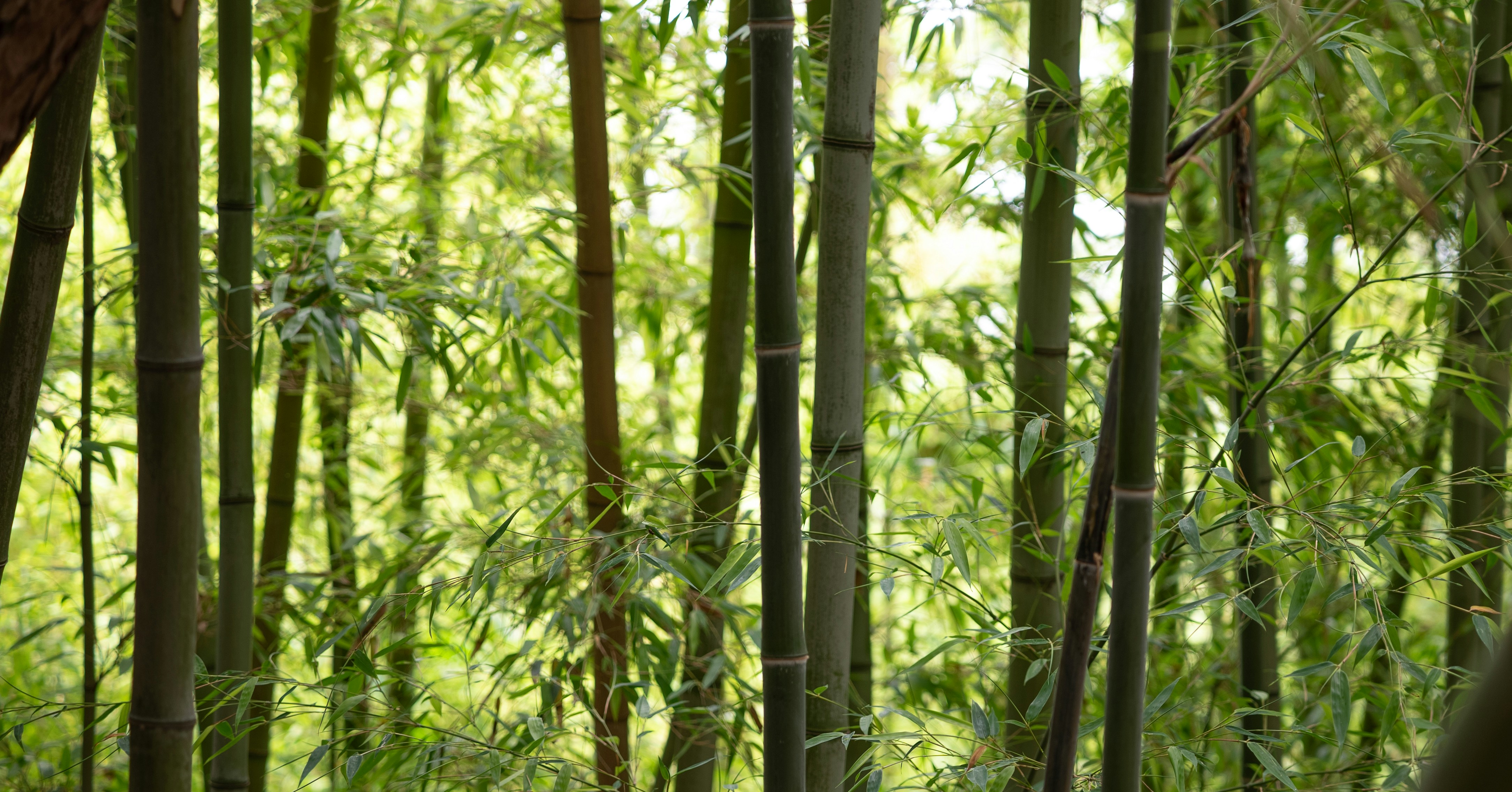
Sourced from renewable bamboo, compatibilized and blended with PBAT and a small amount of PLA to form a biodegradable system. Creates a natural matte finish and fine texture while increasing the bio-based ratio. With a growth cycle of just 3–5 years and excellent carbon sequestration; density (0.98 g/cm³) is lower than most bio-based formulations — the same weight of material produces approximately 27–38% more bags, making it one of the most eco-competitive and cost-effective bio-based materials available.

Short growth cycle: 3–5 years to maturityNatural antibacterial (bamboo quinone)Carbon sequestration during growth; low carbon footprintBetter cost-per-bag due to lower density

Bamboo fiber naturally contains bamboo quinone compounds, providing a degree of antibacterial properties. The process requires no harsh chemicals like bleach, making it environmentally friendly. Introduction requires only minor parameter adjustments; haze, texture, and stiffness can be fine-tuned through fiber content and treatment methods — confirmed by sampling.

STARCH-BASED

Starch-Based Material

Based on natural starch, blended with PBAT and PLA to form a biodegradable system. Mature processing and heat-seal performance make it the most widely used biodegradable option for consumer packaging. Starch sources are abundant (corn, cassava), but starch is highly hygroscopic — strict drying is required before processing. Poor compatibility with PBAT can cause "starch migration," resulting in rough film surfaces and unstable quality.

Mature technology; low onboarding barrierBiodegradable; reduces environmental residueLower water resistance; consider usage environmentHeat resistance limited; careful processing required

Note: Starch-based materials have lower water resistance and may soften in humid environments — not suitable for liquid containers or prolonged moisture contact. Heat resistance also has limitations; careful temperature control is required during high-temperature processing.

CONVENTIONAL

Conventional Plastic (Fossil-Based)

Refers to fossil-based polymers — common types include PE (polyethylene), PP (polypropylene), and PET. PE is further divided into LDPE (low-density, soft — common in soft bags and wrap film) and HDPE (high-density, rigid — common in shopping bags and rigid containers). PP has better heat resistance and is commonly found in food containers, straws, and bottle caps.

LDPE: soft bags, wrap filmHDPE: shopping bags, rigid containersPP: food containers, straws, bottle capsMicroplastic pollution; tightening global plastic regulations

Conventional plastics have a mature supply chain and wide processing window, but are nearly impossible to biodegrade in the natural environment — they persist for hundreds of years after disposal. Microplastic pollution has become a global issue, and countries are increasingly introducing plastic restrictions and packaging regulations. Rising long-term regulatory and brand pressure is a primary driver for the shift toward bio-based materials.

Material Comparison

Bamboo Fiber vs. Starch-Based — In Depth

ComparisonBamboo Fiber MasterbatchStarch-Based Masterbatch
Density0.98 g/cm³~1.25–1.35 g/cm³
Bags per same weight~27–38% more (density ratio)Baseline
Water resistanceCompatibilized; better moisture resistanceHigh-starch blends absorb moisture; formula-dependent
Processing stabilityNo migration; consistent batch qualityStarch embrittlement; prone to deformation at high temp
Degradation consistencyStable degradation cycle; consistent batch performanceDegradation condition-sensitive; less stable in humid environments

Bamboo Fiber & Carbon Reduction

Conventional plastic bags are made from fossil-based materials — producing 1 metric ton of PE releases approximately 1.7–2.0 tons of CO₂ equivalent. Bamboo fiber masterbatch is composed of 97% bio-based carbon, derived from CO₂ absorbed by bamboo during growth — part of the biogenic carbon cycle, not fossil carbon emissions.

More importantly, bamboo can sequester approximately 5–12 tons of CO₂ per hectare per year, growing 4–6 times faster than ordinary timber, without needing replanting after harvest — making it one of the fastest-renewing plant raw materials available.

97%
Bio-Based Carbon Content
Third-party certified by Beta Analytic per ASTM D6866 — significantly reduces fossil carbon dependency
0.98
g/cm³ Lowest Density
Produces the same number of bags with 27–38% less material — relatively lower total carbon emissions
3–5 yrs
Bamboo Maturity Cycle
Timber takes decades; bamboo sequesters carbon 3–4× faster than trees

Frequently Asked Questions

Why choose bamboo fiber?

Bamboo grows fast, sequesters carbon well, is naturally antibacterial, and requires no harsh chemicals during processing. Compared to other bio-based materials, bamboo fiber achieves a better balance of strength, texture, and biodegradability — while having a high bio-based content that helps customers achieve ESG carbon reduction goals.

Bio-based vs. biodegradable — what's the difference?

Bio-based refers to the source of the raw material (e.g., bamboo fiber, starch from plants); biodegradable means the material can be broken down by microorganisms under specific conditions. The two are not the same — some bio-based materials are not biodegradable, and some biodegradable materials may come from fossil sources. Our products achieve both: sustainable origin and environmental friendliness.

Biodegradable vs. recycled plastic — what's the difference?

Biodegradable plastics are broken down by microorganisms in the right environment, ultimately returning to the soil without residue. Recycled plastic means waste plastic is re-melted and pelletized to make new plastic products. The two solve different problems — biodegradable reduces environmental residue after disposal; recycled plastic reduces the need for virgin material production.

What conditions are needed for biodegradation?

Common conditions include appropriate temperature, humidity, oxygen, and a microbial environment. Industrial composting conditions produce the fastest degradation; soil or hydrolysis scenarios vary by formulation.

Is it compatible with existing processing equipment?

Yes, it integrates seamlessly. Film blowing, casting, and injection molding processes typically only require minor adjustments to temperature, screw, and take-off cooling parameters — no major equipment modifications needed. We can provide specific parameter recommendations and on-site trial production support.

Are third-party certification documents available?

Technical data sheets, biodegradation test reports, and compostability certifications are available. Please see the Certifications page, or contact us directly to request documents.